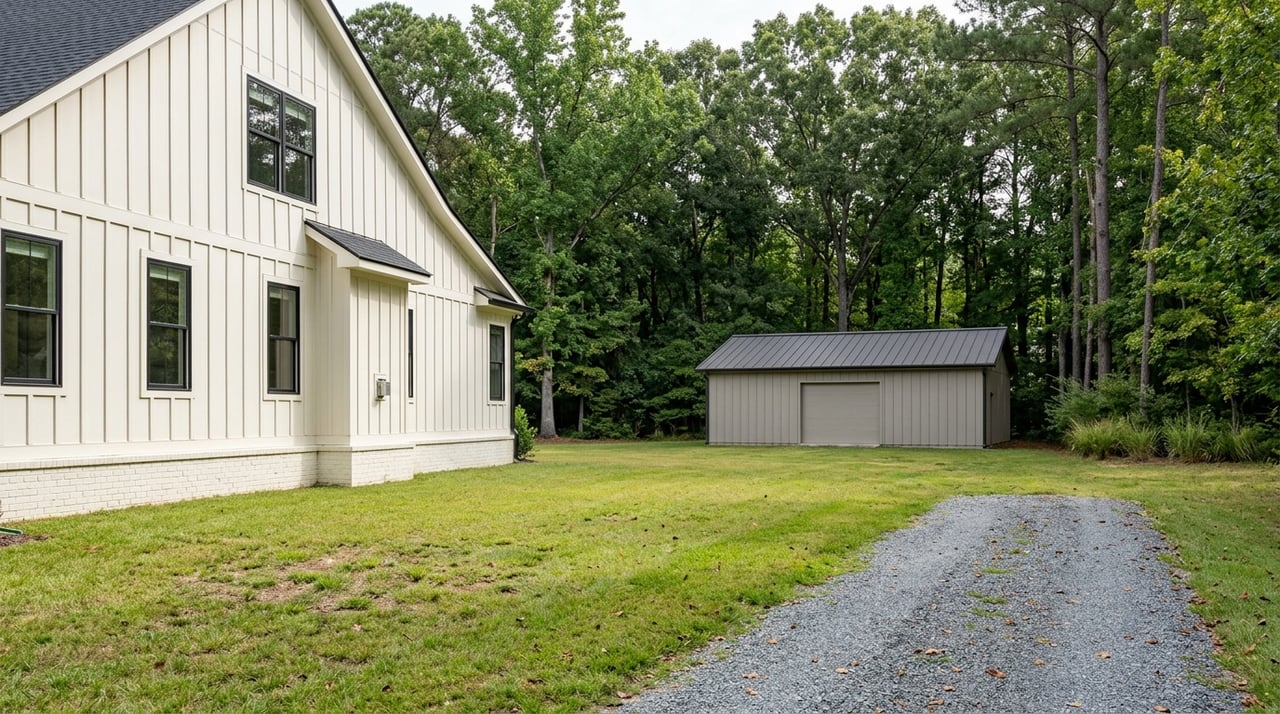
Paulding County Acreage Homes With Room To Grow
June 25, 2026
June 25, 2026
Looking for more room without giving up access to West Metro Atlanta? You are not alone. In Paulding County, many buyers are drawn to the idea of a bigger yard, more privacy, or even a few acres, but finding the right property takes more than spotting a large number on a listing. You need to know how zoning, utilities, access, and long-term upkeep can shape what that land is really worth. Let’s dive in.
Paulding County gives many buyers a chance to stretch out. The Census Bureau estimates the county had 190,996 residents as of July 1, 2025, which is up 13.3 percent from the April 1, 2020 estimate base. That kind of growth shows why space remains a major draw here.
The county also covers 312.35 land square miles and has an owner-occupied housing rate of 80.8 percent. With a median owner-occupied home value of $326,300 and median household income of $98,031, Paulding often attracts buyers who want a little more breathing room while staying connected to jobs, shopping, and everyday needs.
There is also a practical side to the decision. The mean commute time is 39.6 minutes, so many buyers are already weighing convenience against the value of getting more house or more land. If your goal is a semi-rural property, it helps to think beyond the price tag and picture how the property will work for your daily life.
If you are shopping for land or larger lots in Paulding County, zoning should be one of your first checks. The county’s Planning and Zoning Division handles zoning, rezoning, variances, zoning verification, land-use permits, and the official zoning map. That means zoning is the foundation for understanding what a parcel may allow.
A property can look perfect online and still have limits that affect your plans. Before you assume you can build, keep animals, add outbuildings, or use the land a certain way, you need to confirm the zoning and review what that district permits.
A-1 is the most acreage-oriented base district in Paulding County’s Unified Development Ordinance. It is intended for land with a predominantly rural character and is meant to provide locations for large parcels, agricultural uses, and single-family homes on larger tracts.
The minimum lot size in A-1 is 5 acres. Permitted uses include backyard chickens, crop production, greenhouses and nurseries, riding stables, and single-family dwellings. If you want a true rural feel with more flexibility for land use, A-1 is often the first district buyers ask about.
ER is designed to preserve open space in rural environments. It encourages lots of at least 2.5 acres, especially in areas where public sewer may not be available.
That matters because septic is expected in this district and remains subject to Environmental Health approval. ER may allow unpaved private roads or paved public roads, may use swale ditches instead of curb and gutter, and does not require sidewalks or streetlights. It also requires a mandatory HOA, which surprises some buyers who assume a bigger lot means fewer restrictions.
R-1 is another low-density option for buyers who want more elbow room. It has a minimum lot size of 1 acre and is designed for very low-density residential development with additional open area.
Like ER, R-1 may use swale ditches for new streets and access improvements, and sidewalks and streetlights are not required. It also requires a mandatory HOA and sets a minimum heated living area of 1,600 square feet for single-family dwellings.
R-2 is more suburban, but it can still include larger lots depending on utility service. Minimum lot size can be 20,000 square feet with public sewer and public water, 21,780 square feet with on-site sewage and public water, or 43,560 square feet with on-site sewage and non-public water.
R-2 also requires a mandatory HOA. Some animal-related and agricultural uses may be possible by special exception, so this district can be worth a closer look if you want a balance between neighborhood living and a little more outdoor space.
Paulding County’s 2022 comprehensive plan update adds helpful context for buyers chasing land. The county says the Rural Character Area is not currently served by sewer and that future development should avoid sewer or water extensions.
In plain terms, some of the places that feel most open and rural may also come with fewer public infrastructure options. If that is exactly what you want, great. Just make sure you go in with clear expectations about septic, wells, roads, and maintenance.
A large parcel is not always the same thing as a simple build site. Even if the acreage number looks great, part of the property may be affected by setbacks, easements, floodplain, or other site constraints.
Paulding County’s private dwelling permit process requires a recorded survey plat and uses lot size and setbacks in the review. When septic or a well is involved, Environmental Health approval is part of the process too. That is why buildability should be confirmed early, especially if you are buying raw land.
Access is easy to overlook until it becomes a problem. Paulding County’s permit packet says driveway permits go through the Paulding County Department of Transportation for county roads and through GDOT for state highways.
This is especially important for raw land, long driveways, or parcels with limited road frontage. A property may have acreage, but if access is difficult or expensive to improve, that can affect your plans and your budget.
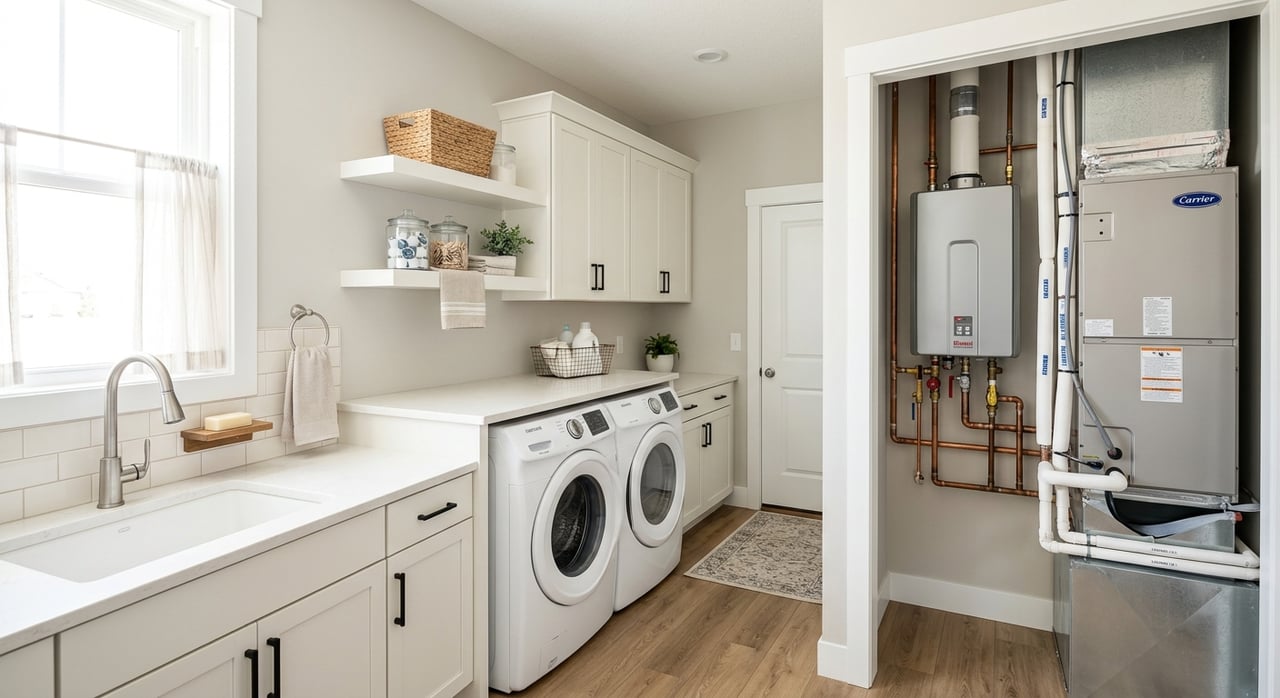
When you are buying land or a home on a larger lot, utility details matter just as much as square footage. The county permit packet says septic and well issues require Environmental Health inspection and permit when applicable, while county water and sewer taps are handled through the Paulding County Water System.
The county’s forms page also says a flow-data application is required for every residential and commercial development, and service applications may involve deposits and fees. In other words, utility setup is not something to leave for the end of due diligence.
Paulding County Water says it currently serves more than 60,000 customers in a regional service area that includes Dallas, Hiram, and several nearby cities. Even so, rural planning language still points to low-infrastructure development in rural character areas, so you should verify utility service for each specific parcel rather than assume.
One of the biggest myths about acreage is that more land means no restrictions. In Paulding County, that is not always true.
Several larger-lot residential districts still require mandatory HOAs. On top of that, the county’s private dwelling permit packet says only one dwelling is allowed per parcel, and manufactured homes and doublewides cannot be placed in platted subdivisions. If you are considering a particular home type or future use, those details need to be checked upfront.
If you want chickens, a home business, or another rural-style use, the county’s Planning and Zoning Division handles land-use permits. A-1 and R-2 each have their own use permissions and special-exception rules, so a quick assumption can turn into a costly mistake.
More land can give you privacy, flexibility, and a different pace of life. It can also bring more responsibility.
UGA Extension says Georgia property owners are responsible for septic-system operation, maintenance, and repairs. It also recommends annual well-water testing, especially for bacteria and nitrates. For buyers used to public utilities, that is a shift worth understanding before you commit.
There are also day-to-day considerations. UGA Extension notes that tree roots can interfere with drain lines and that garbage disposals can increase pumping needs. That does not make septic or well ownership a bad idea, but it does mean you should budget for maintenance and stay on top of routine care.
If your goal is space and land in Paulding County, the smartest approach is to match your wish list to the property’s real-world conditions. A parcel may look ideal in photos, but your experience will depend on zoning, access, utilities, restrictions, and how the property fits your routine.
That is where local guidance can make a real difference. If you are comparing a wooded lot, an acreage tract, or a larger-lot home in the Dallas or Hiram area, it helps to have someone who can slow the process down, ask the right questions, and help you see the tradeoffs clearly.
If you are thinking about buying or selling a home with land in Paulding County, Clay Thomas can help you sort through the details and move forward with confidence.
Partner with Clay Thomas, an Emerald Elite Level Producer known for delivering exceptional results. With a strategic approach and market insight, he guides buyers and sellers with confidence.