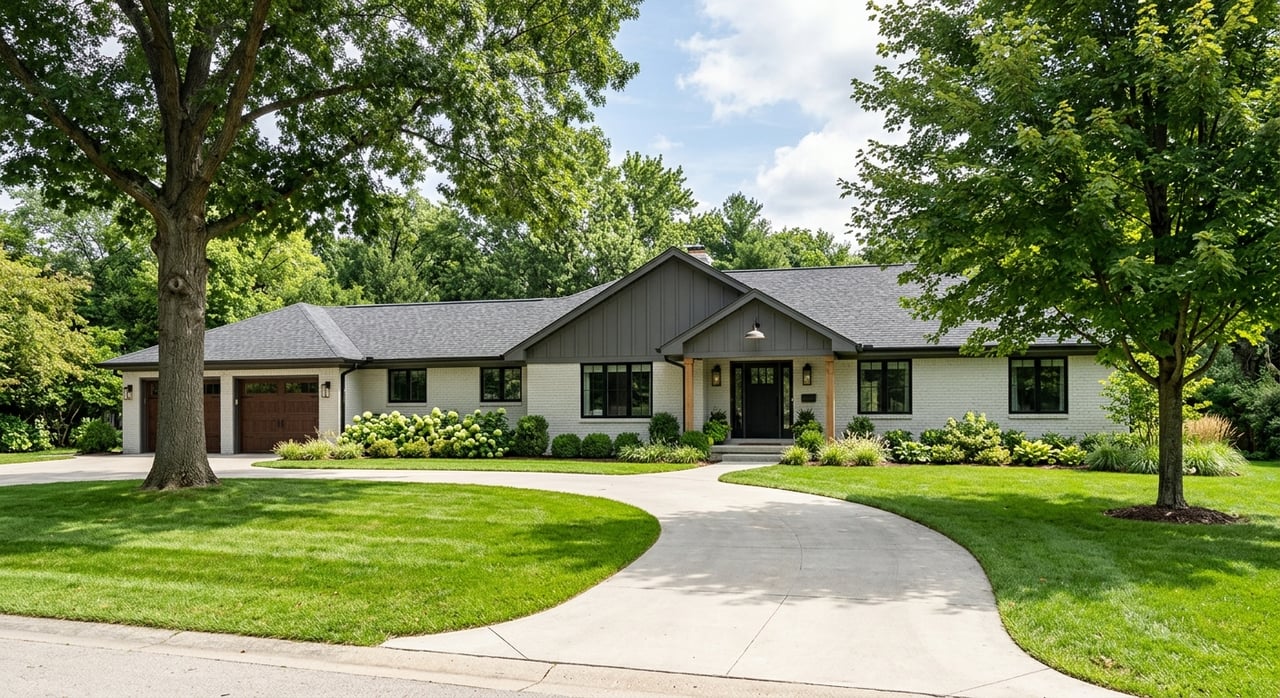
New Construction Or Resale In Paulding County Homes?
June 18, 2026
June 18, 2026
Wondering whether you should buy new construction or a resale home in Paulding County? You are not alone. For many buyers, this choice comes down to budget, timeline, maintenance, and the kind of property that fits your daily life. The good news is that Paulding County offers both, and each option has real advantages depending on what matters most to you. Let’s break it down.
Paulding County continues to grow, which helps explain why both resale inventory and new construction matter here. As of July 1, 2025, the county population reached 190,996, up 13.3% since 2020, and there were 67,587 housing units.
This is also a market where homeownership is common. The owner-occupied rate is 80.8%, the median owner value is $326,300, and the median household income is $98,031. In May 2026, Redfin reported a median sale price of $350,449, a median of 45 days on market, and a 98.6% sale-to-list ratio.
That mix tells you something important. In Paulding County, the decision is usually not just about price. It is often about how quickly you need to move, what type of lot you want, and how much flexibility you want in the home itself.
New construction can be a strong fit if you want a home that feels fresh, modern, and lower-maintenance right away. Paulding County is an active place for homebuilding, with 1,326 building permits recorded in 2025.
A big reason buyers lean toward new homes is the formal building process. Georgia’s current mandatory construction codes include the 2024 International Residential Code with Georgia amendments, and Paulding County’s Building and Permitting Division handles permits and inspections for residential construction, electrical, HVAC, and plumbing work.
That does not mean every new build is identical, though. Buyers generally see three common paths:
If you like the idea of choosing finishes, floor plans, or a newer layout, new construction may check those boxes better than a resale home.
Another reason buyers like new construction is warranty coverage. The FTC notes that most newly built homes come with a builder warranty.
A common structure includes:
That kind of coverage can feel reassuring if you want fewer surprise repair costs in the first few years.
A new home is not the same thing as a risk-free home. Builder warranties often do not cover appliances, small cosmetic cracks, or the cost of living somewhere else during repairs.
It is also smart to review the builder contract closely. Buyers should pay attention to the construction timeline, payment schedule, warranty details, and final walkthrough expectations. Independent inspections and a punch list before closing can also be important steps.
If your schedule matters most, resale homes are often the easier path. The home already exists, so you are not waiting through the county’s construction-related permit and inspection process.
That can matter a lot in Paulding County, where the mean travel time to work is 39.6 minutes. If you are relocating, ending a lease, starting a new job, or trying to line up a sell-and-buy move, having a finished home available now can reduce stress.
A resale purchase also lets you evaluate the home and lot exactly as they are today. You can see the driveway, backyard, street placement, traffic flow, and the overall feel of the area before making a decision.
With a resale home, what you see is what you are buying. You are not trying to picture how a street will look after construction finishes or how a yard will drain once the final grading is done.
That can be especially helpful if you care a lot about practical things like parking space, mature landscaping, outdoor use, or the layout of surrounding homes. In many cases, a resale home gives you more certainty at the start.
The biggest difference with resale is that it does not usually come with a builder warranty. If you want warranty-style coverage, that is typically a separate service contract and an added cost.
That means resale buyers should plan for:
You are trading the builder-warranty structure for a home that is already complete. For some buyers, that is a great trade. For others, the possibility of repairs makes new construction more appealing.
In Paulding County, this choice is not only about the house itself. Local zoning, HOA rules, lot size, and utility setup can all push you toward one option or the other.
Some residential districts in Paulding County include mandatory HOA provisions under the county’s Unified Development Ordinance. These associations may regulate exterior items like fences and lawn ornaments, and they may also handle maintenance of private streets, detention ponds, stormwater features, common spaces, entrance features, amenities, and mail kiosks.
For you, that means HOA dues and rules should be part of your monthly budget and your day-to-day expectations. This is especially relevant in newer subdivisions, where association structure and maintenance obligations may be a bigger part of the ownership experience.
If you are considering new construction in a subdivision, be sure to ask about HOA rules early. The appearance of the home, use of outdoor space, and ongoing dues can affect how well the property fits your lifestyle.
That does not make an HOA good or bad. It just means you should compare those rules with what you want before you commit.
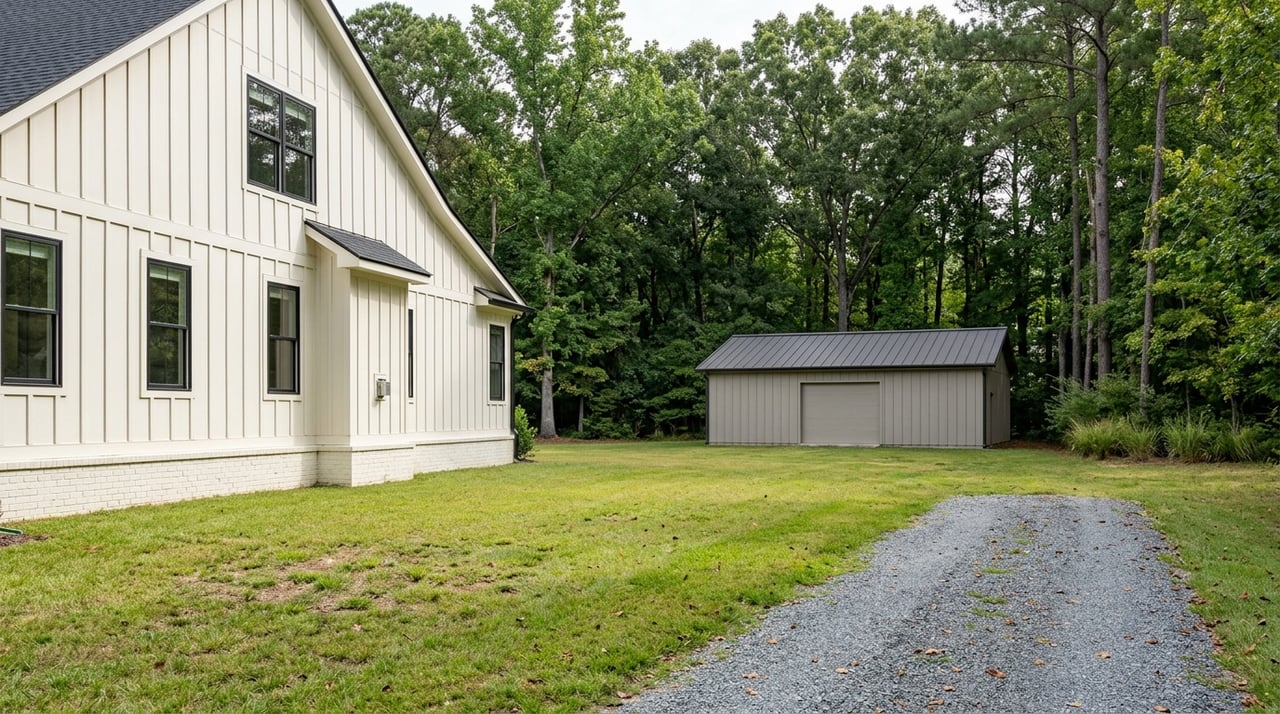
If you want acreage, a workshop, or a more semi-rural setup, resale may open more options. Paulding County’s private dwelling permit rules note that some zoning districts require larger lots, including 2-acre minimums in R-2 and 5-acre minimums in A-1.
The county also notes that properties outside subdivisions may need added due diligence. Depending on the site, buyers may need to think about driveway permits, septic approval, water and sewer coordination, and in some cases a right-of-way encroachment permit.
That is one reason why acreage and rural resale properties can be appealing. The setup is often already in place, which can give you a clearer picture of how the property functions before closing.
| Factor | New Construction | Resale |
|---|---|---|
| Timeline | Can vary based on construction stage and permitting | Often faster because the home is already built |
| Customization | Usually stronger, especially in semi-custom or custom builds | Limited to what is already there |
| Warranty | Builder warranty often included | Usually no builder warranty by default |
| Lot evaluation | Some conditions may still be developing | Finished lot and surroundings can be reviewed upfront |
| Maintenance risk | Often lower at first, but not zero | May need repairs or updates sooner |
| HOA exposure | Common in newer subdivisions | Varies by property and area |
| Land flexibility | Can be more limited in standard subdivisions | Often stronger for acreage or semi-rural setups |
If warranty coverage, newer finishes, and lower immediate maintenance matter most, new construction may be the better fit. It can also make sense if you want design choices and do not mind a timeline that may shift.
If speed, a completed lot, or a more flexible land setup matter most, resale may be the smarter move. It often gives you a more direct path to closing and a better chance to judge the full property before you buy.
In a county like Paulding, where growth is active and buyer needs vary widely, there is no one-size-fits-all answer. The right choice depends on your budget, move-in deadline, and the kind of property you want to live in every day.
A good local guide can help you compare those options side by side, ask the right questions, and avoid surprises. If you want steady, honest help weighing new construction against resale in Paulding County, connect with Clay Thomas for practical guidance tailored to your goals.
Partner with Clay Thomas, an Emerald Elite Level Producer known for delivering exceptional results. With a strategic approach and market insight, he guides buyers and sellers with confidence.