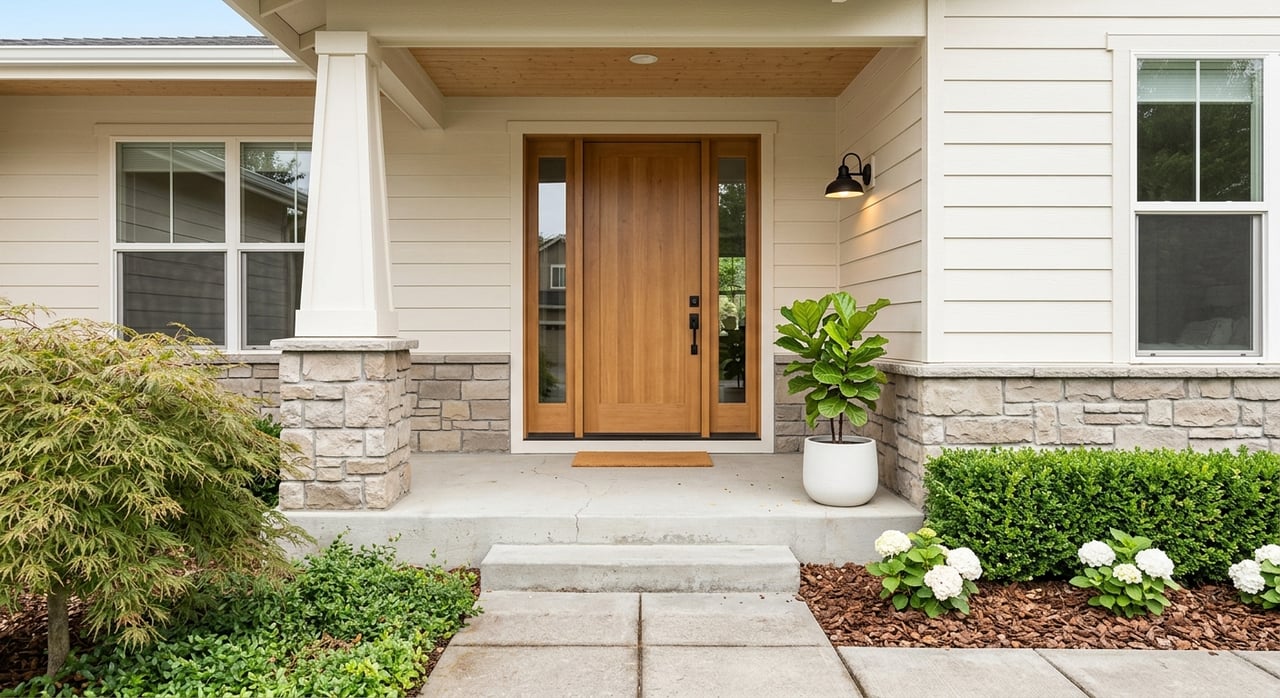
Selling A Home In Paulding County From Start To Finish
June 4, 2026
June 4, 2026
If you are thinking about selling your home in Paulding County, it can be tempting to assume a sign in the yard is enough. In today’s market, that is not the safest bet. Buyers have more choices than they did in a tighter seller market, so your price, condition, and closing plan matter more than ever. This guide walks you through the process from start to finish so you know what to expect and how to prepare. Let’s dive in.
Selling starts with knowing the market you are stepping into. In April 2026, Paulding County had 223 single-family sales, a median sale price of $355,000, 861 active listings, and 4.0 months of supply, according to the Paulding Board of REALTORS®. That points to a more balanced market than a fast-moving, low-inventory environment.
What does that mean for you as a seller? It means buyers likely have options, and they may take more time to compare homes before making an offer. Your home can still sell well, but it usually takes thoughtful pricing and strong presentation instead of relying on urgency alone.
Before photos, showings, or open house discussions, it helps to get organized. A smooth sale often begins with the work you do before your home ever hits the market. That includes cleaning up the property, reviewing repair needs, and gathering documents buyers may ask about later.
In Georgia, buyers are expected to do their own due diligence, and caveat emptor still applies. That makes honest disclosure and smart preparation especially important because unresolved issues can become negotiation points once you are under contract.
One of the simplest ways to reduce stress is to collect your paperwork before listing. Georgia disclosure updates highlight items such as water intrusion, remote-access systems, shared improvements, septic systems, wells, driveways, and private roads.
Useful documents may include:
Having these ready can save time and help you answer questions clearly once buyers start showing interest.
Most sellers do not need a full renovation before listing. They do, however, benefit from fixing obvious issues that could distract buyers or raise concerns during inspections. Small maintenance items often feel bigger when buyers are already comparing several homes.
Focus on the basics first. Clean thoroughly, touch up paint where needed, replace burned-out bulbs, service anything that is clearly not working right, and remove clutter that makes rooms feel smaller.
Presentation has real value. In the 2025 staging report, 83% of buyers’ agents said staging made it easier for buyers to picture a property as their future home. The same report found that 49% said staging reduced time on market, and 29% said staging increased the dollar value offered by 1% to 10%.
If you do not fully stage the home, you can still improve how it shows. Decluttering, removing personal items, and correcting visible property faults can make a meaningful difference in buyer response.
If your home was built before 1978, there is an extra step to complete before going under contract. Federal lead rules generally require sellers of most residential homes built before 1978 to disclose known lead-based paint information and known lead hazards, and to provide the approved pamphlet before the contract is signed.
This is easy to overlook if you are focused on pricing and showings. Handling it early helps avoid delays later.
Pricing is one of the most important decisions you will make. In a market with 861 active listings and 4.0 months of supply, overpricing can work against you quickly. Buyers who see enough homes will often notice when one is priced too far above recent comparable sales.
A strong pricing strategy should reflect recent sold data, current competition, and your home’s condition. If you price too high at the start, you may face longer market time, fewer serious showings, and a greater chance of concession requests later.
The first days on market tend to bring the most attention. If buyers and agents see value right away, you are more likely to generate stronger interest and better negotiating leverage. If the home sits, buyers may begin to wonder what is wrong, even when the answer is simply that the price missed the mark.
That is why disciplined pricing matters in a balanced market. The goal is not just to list. The goal is to attract the right buyers and create a path to a clean closing.
When offers start coming in, it is easy to focus on the highest price. Price matters, but it is not the only number that affects your outcome. The best offer is often the one that gives you the strongest mix of net proceeds, reliability, and timing.
A careful offer review should include the buyer’s financing, contingencies, repair expectations, and closing flexibility. These details can shape whether a contract feels smooth or stressful.
Look closely at:
Georgia REALTORS® notes that appraisal language can affect whether a low appraisal turns into a renegotiation or whether the buyer must still move forward at the agreed price. That detail alone can make one offer stronger than another, even if the top-line price looks similar.
If your home is in an HOA or condo community, confirm the regular assessment amount and ask whether any special assessments are pending. This matters because association-related costs can affect what is owed at closing.
Georgia REALTORS® also notes that special assessments may be allocated differently depending on when they come due. Knowing this early helps you avoid last-minute surprises.
Georgia is an attorney-closing state, which shapes how the final steps work. In practical terms, the closing attorney’s office coordinates the deed, settlement statement, and recording steps that complete the sale.
That makes the closing stage feel more structured, but it still helps to know what costs and timing issues may affect your bottom line. Sellers who review these items early tend to have fewer surprises on the final settlement statement.
Georgia’s real estate transfer tax is based on the sale price at $1 for the first $1,000 and 10 cents for each additional $100. The Georgia Department of Revenue says the seller is liable unless the contract shifts that cost.
Paulding County’s Superior Court cost schedule also shows a $25 recording fee for deeds or other instruments tied to real estate. These are not usually the biggest line items, but they are part of your final net proceeds.
Property taxes are another area where timing matters. Paulding County says property is assessed at 40% of fair market value, tax bills are due by November 15, and taxpayers have 60 days from the billing date to pay. The county also says assessment appeals must be filed within 45 days of the notice date.
For sellers, these rules can affect prorations and year-end closings. If you are planning to list near tax notice or tax bill season, it is smart to understand how that may affect your estimated net.
If your property currently has a homestead exemption, remember that it does not automatically transfer to the buyer. Paulding County says exemptions must be reapplied for when ownership or legal status changes.
That is mostly a buyer-side issue after closing, but it is still useful to understand when discussing taxes and ownership changes during the transaction.
If you want the process to feel more manageable, break it into clear steps:
In this market, successful sales usually come back to three things: accurate pricing, visible condition, and clean closing logistics. Buyers in Paulding County may have more inventory to choose from than they did in a tighter market, so the homes that stand out tend to be the ones that look cared for, feel well-priced, and present fewer complications.
If you are selling while also buying, that planning matters even more. A steady, organized approach can help you make decisions with less stress and more confidence from the day you prepare the home to the day you sign at closing.
If you are getting ready to sell in Paulding County and want practical guidance from a local agent who will walk with you step by step, reach out to Clay Thomas.


Partner with Clay Thomas, an Emerald Elite Level Producer known for delivering exceptional results. With a strategic approach and market insight, he guides buyers and sellers with confidence.